Tree Thinning & Tree Raising Services in Vancouver, WA
Douglas firs and bigleaf maples give Vancouver its green, shaded feel, but dense canopies come with real risks during our windy storm season. Tree thinning and tree raising are two separate services that address different parts of the tree, and knowing which one your property needs can prevent damage before it happens.
This guide breaks down what each service actually does, why they matter for storm safety and sunlight, and when a professional assessment makes sense. Zapps Tree & Yard Services provides tree thinning and raising throughout Vancouver, WA and the surrounding area.
What Is Tree Thinning?
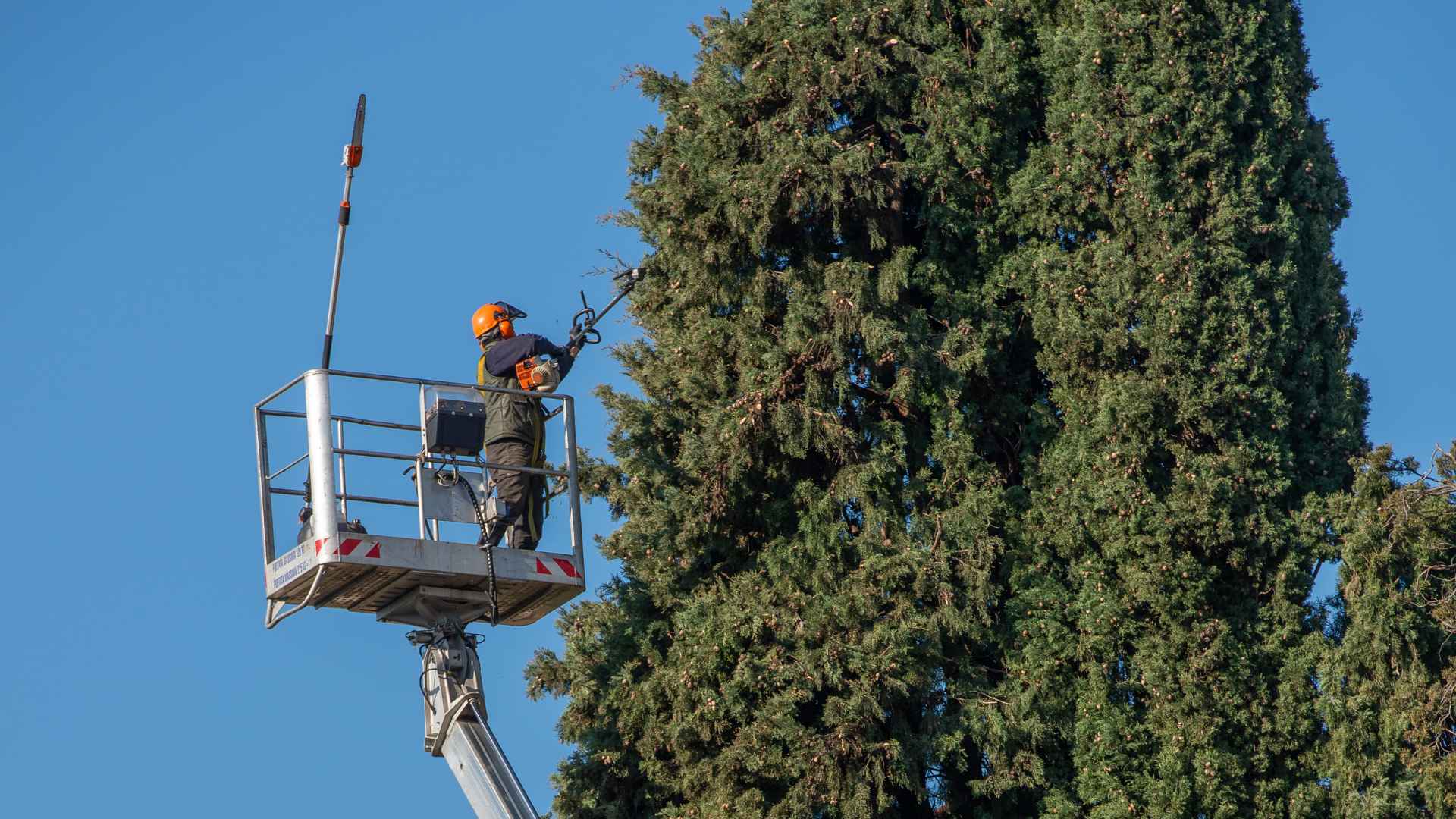
Tree thinning is the selective removal of branches from inside the canopy. The goal is to open up space between limbs, not to change the tree’s overall shape or height.
A dense canopy catches more wind than a thinned one, acting almost like a sail during a storm. Thinning removes select interior branches so wind can pass through the tree instead of pushing against it. This reduces the strain on the trunk and root system during high winds.
Thinning also improves airflow around the remaining branches and leaves. Better airflow helps leaves dry faster after rain, which lowers the risk of fungal disease taking hold. For large species like Douglas fir, thinning is often done in stages over multiple seasons rather than all at once, since removing too much canopy in a single visit can stress the tree.
What Is Tree Raising?
Tree raising, sometimes called crown raising, removes the lower branches of a tree. Instead of opening up the interior canopy, raising creates clearance underneath the tree.
This service is common near driveways, walkways, and structures where low branches interfere with daily use. A branch that hangs too low over a driveway can scrape vehicles or block sightlines. Along walkways, low limbs create both a physical obstacle and a visibility problem, especially at night.
Raising also plays a role in property safety. Removing lower limbs near a home reduces the number of branches close enough to cause damage during a storm, and it eliminates low growth that can act as a ladder for fire risk in drier months. For trees near power lines or rooflines, raising is often paired with a broader look at tree trimming to address multiple problem areas in one visit.
Thinning vs. Raising: Key Differences
Both services involve removing branches, but they target different parts of the tree and solve different problems. Here’s a quick breakdown of how they compare.
Location on the tree. Thinning works within the canopy. Raising works on the lower trunk and lowest limbs.
Primary goal. Thinning reduces wind resistance and improves airflow. Raising creates clearance for structures, vehicles, and walkways.
Effect on sunlight. Thinning lets more light filter through the canopy itself. Raising opens up light at ground level below the tree.
Typical timing. Thinning is often planned around storm season to reduce wind load. Raising can happen any time clearance becomes a problem.
Frequency. Mature trees may need thinning every few years. Raising is usually a one-time correction unless new growth returns to the same height.
Many properties benefit from both services during the same visit, especially on large, mature trees that have gone years without any canopy work.
Why These Services Matter for Vancouver Properties
Skipping yard work rarely saves money in the long run. Small problems left alone tend to grow into expensive ones. Here’s why a consistent routine pays off.
Storm Damage Prevention
Wind storms are a regular part of life in the Pacific Northwest, and dense, untouched canopies take the brunt of the impact. A Douglas fir with a thick, unthinned crown catches far more wind than one that has been properly maintained. Thinning reduces that load and lowers the odds of a major limb failure during a storm. For trees that are already showing signs of stress or damage, our guide on tree removal in Vancouver, WA covers what to do when a tree is beyond saving.
Improved Sunlight for Lawns and Gardens
Large shade trees can block enough light to keep grass thin and patchy underneath them. Thinning the canopy lets more sunlight reach the ground in scattered patches, while raising opens up direct light at the base of the tree. Together, these services can make a noticeable difference for lawns and garden beds struggling under heavy shade.
Safer Clearance Around Structures and Walkways
Low branches near a roofline, driveway, or walkway are more than an inconvenience. They create a risk of damage during high winds and a hazard for anyone walking or driving underneath. Raising these limbs restores safe clearance and reduces the chance of a branch coming down on a car, a fence, or a person.
Why Bigleaf Maple and Douglas Fir Need Special Attention
These two species dominate much of the tree canopy across Vancouver and the greater Portland area, and each comes with its own considerations.
Douglas fir grows tall with a dense, layered branch structure that holds a lot of weight and catches significant wind. Thinning these trees requires an understanding of how much canopy can be safely removed without weakening the tree’s structure.
Bigleaf maple tends to grow wide, heavy limbs that extend far from the trunk. These branches are more prone to splitting under their own weight, especially when saturated by our region’s frequent rainfall. Raising and selective thinning help manage that weight before it becomes a structural problem.
Both species benefit from periodic pruning alongside thinning and raising, since a full maintenance approach catches issues that a single service might miss.
Why a Professional Assessment Matters
Thinning and raising both involve removing living tissue from a tree, and doing it incorrectly can cause more harm than good. Over-thinning weakens a tree’s structure and can actually increase the risk of failure instead of reducing it. Poor cuts during raising can leave wounds that invite disease or pests.
A professional assessment looks at the species, size, age, and condition of the tree before recommending a plan. This matters even more for large trees near a home, since the margin for error shrinks as the size and weight of the branches increases.
Why Vancouver Homeowners Trust Zapps for Tree Care
Our crews have worked with the tree species common to Vancouver, WA and the Portland, OR area for more than 10 years. We understand how local wind patterns, rainfall, and soil conditions affect a tree’s structure, and we plan thinning and raising work around those factors.
We handle tree thinning, raising, trimming, pruning, and removal, so your property gets a complete plan instead of a piecemeal fix. Browse our full range of services to see everything we offer for tree and yard care.
Every estimate is free, and every recommendation is based on the actual condition of your trees. We explain what we find and why we recommend a given approach before any work begins.
Frequently Asked Questions
How do I know if my tree needs thinning or raising?
If branches hang low over a driveway, walkway, or roofline, raising is likely the fix. If the canopy looks dense and heavy, especially on a large Douglas fir or bigleaf maple, thinning is usually the better option. Many trees benefit from both.
How often should a mature tree be thinned?
Most mature trees benefit from thinning every three to five years, though this varies by species, growth rate, and how exposed the tree is to wind.
Can thinning or raising harm a healthy tree?
Done correctly, both services support a tree’s long-term health. Removing too much canopy at once, or cutting in the wrong places, can stress a tree and should be avoided. This is why a professional assessment matters before any cuts are made.
Schedule a Professional Tree Assessment Today
Tree thinning and raising protect your property from storm damage while improving sunlight and clearance around your home. Given the size and weight of mature trees common across Vancouver, a professional assessment is the safest way to find out what your trees actually need.
Contact Zapps Tree & Yard Services today to schedule a professional tree assessment or request a free estimate. Our local crew is ready to help keep your trees healthy and your property safe.
Get a Free Estimate for Tree Removal Vancouver WA
Managing the trees on your property is a crucial aspect of homeownership. Homeowners should recognize the early warning signs of disease, structural failure, or storm damage to prevent accidents. Safe, professional tree removal is essential to protect your home, family, and finances, as DIY attempts are too risky. Taking early action is the smartest strategy, as waiting for a tree to fall can lead to severe property damage and emergency fees.
When you need professional tree removal, you need a team with deep local expertise and a proven track record. Trusting a dedicated crew ensures the job is done swiftly, safely, and cleanly.
Don’t wait for a storm to test a dead tree in your yard; take action to protect your home and family. The experienced team at Zapps Tree & Yard Services is ready to provide a free, no-obligation assessment of your property. They offer fast, reliable service and will leave your yard spotless. Contact our team today for a free estimate and professional tree care in Vancouver, WA.